
银魂 真人版
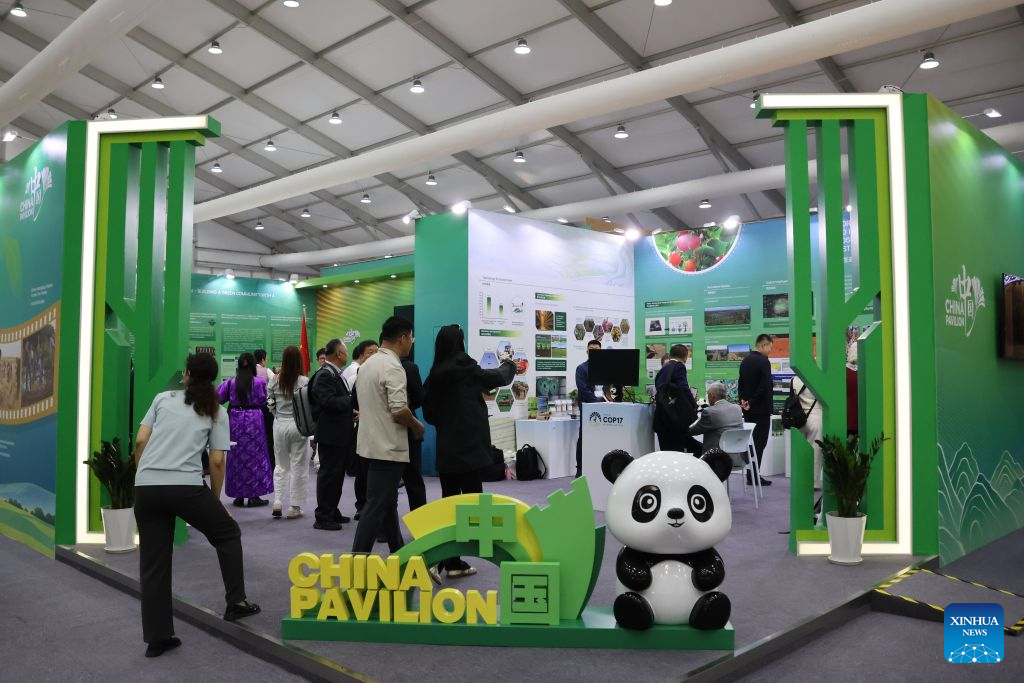
COP17 "China Corner" showcases China's achievements in combating desertification_我的网站

一 | (ECNS) -- Chongqing, a major automobile manufacturing hub in southwest China, exported vehicles worth 35.33 billion yuan (about $5.23 billion) in the first seven months of 2026, up 57.1% year on year, according to customs data released Thursday. Changan Automobile, Seres and Great Wall Motor are among the major automakers headquartered in or operating production bases in the city. Changan Automobile also reported strong growth in overseas deliveries, with 82,300 vehicles delivered overseas in August, up 79.1% year on year. Seres, meanwhile, launched its first dedicated cross-border freight train via the China-Laos Railway under the New International Land-Sea Trade Corridor in 2026, marking the first time Chongqing has used the route for a customized train carrying complete vehicles for export. "The globalization of China's automobile industry is in full swing," said Wang Hui, executive vice president of Changan Automobile. He noted that overseas market research has shown strong acceptance and recognition of Chinese auto brands. "We have seen strong demand for Chongqing-made vehicles in the Central Asian market this year, with more companies entering the automobile export business," said Liu Lei, a Chongqing-based auto export dealer. Chongqing has launched the "Yuche Chuhai" (Chongqing Automobiles Going Global) action plan to build a nationally leading export base for intelligent and new energy vehicles (NEVs). The plan aims to increase the city's annual NEV exports to more than 120 billion yuan by 2027. (By Tang Yuxian) 
 。
。

二 |
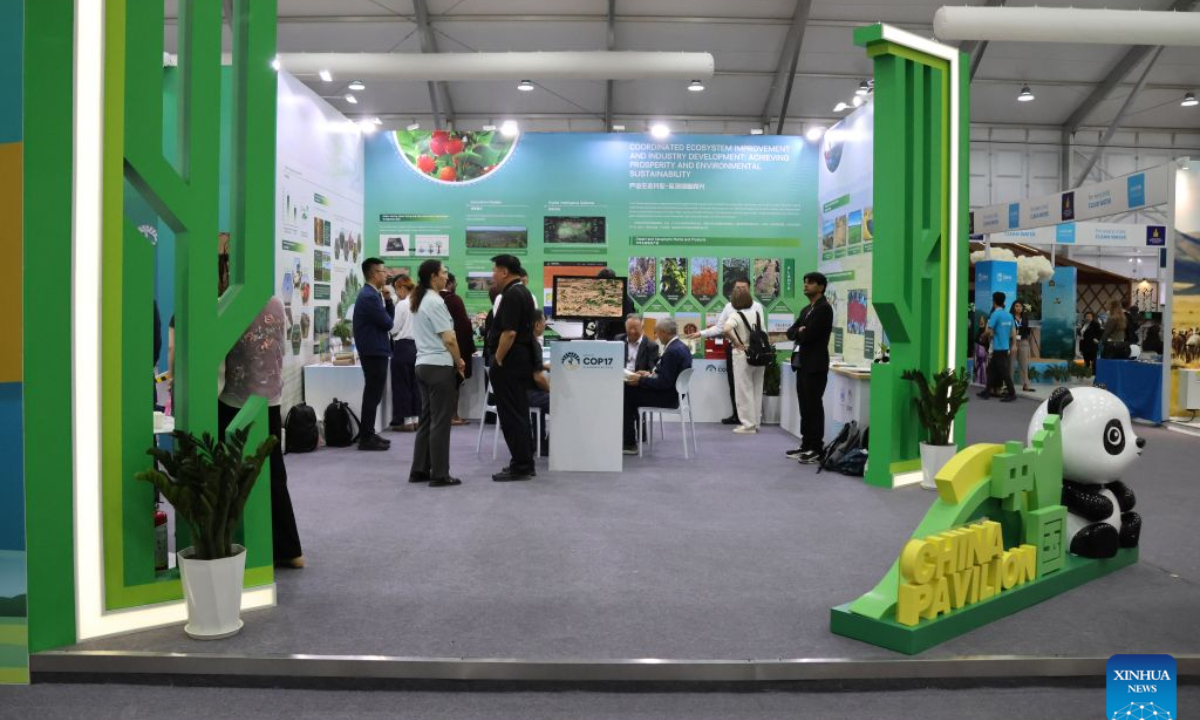
Held under the overall theme of COP17, "Restoring Land, Restoring Hope," the exhibition presents China's efforts and achievements in combating desertification through five chapters across three dimensions.
Chapter 1: The Great Green Wall - Strengthening the Ecological Security Barrier in the North
Since 1978, China has launched a series of major ecological projects, including the Three-North Shelterbelt Forest Program (TSFP), widely recognized as the world's largest afforestation program. The TSFP was launched in 1978 and is scheduled to run until 2050. It is being implemented in eight phases, with the program currently in its sixth phase.
Since the implementation of the TSFP began, forest and grassland coverage in the project area has reached 40.76 percent, while the treatment rate of desertified land has reached 67.82 percent.
Chapter 2: Prairie Conservation and Restoration - Bringing Grasslands Back to Life
Since the 14th Five-Year Plan period, China has rehabilitated and restored nearly 15.33 million hectares of degraded grassland.
In addition, nearly 80.66 million hectares of grassland have been restored through measures such as grazing bans and enclosure, benefiting approximately 12 million farmers and herders.
Chapter 3: International Cooperation - Building a Green Community with a Shared Future
Upholding the concept of a community of life on Earth, China has established desertification cooperation platforms with Arab countries, Mongolia, and Central Asian countries. It has also supported Belt and Road countries in their efforts to combat desertification, sharing Chinese experience and solutions for global ecological governance.
Chapter 4: Scientific Prevention and Control - Combining Knowledge and Technology to Enhance Governance Efficiency
China adheres to an integrated approach to the protection and systematic management of mountains, rivers, forests, farmlands, lakes, grasslands, and deserts. It adapts measures to local conditions, prioritizes water-efficient approaches to ecological restoration, and implements targeted treatments in different areas.
In terms of technological advancement, the utilization rate of high-quality seeds has exceeded 75 percent, while the mechanization rate of sand control has reached 50 percent. The application of new equipment has increased the efficiency of sand-control operations by more than threefold.
Chapter 5: Coordinated Development of Ecological Industries - Achieving Green Prosperity Together
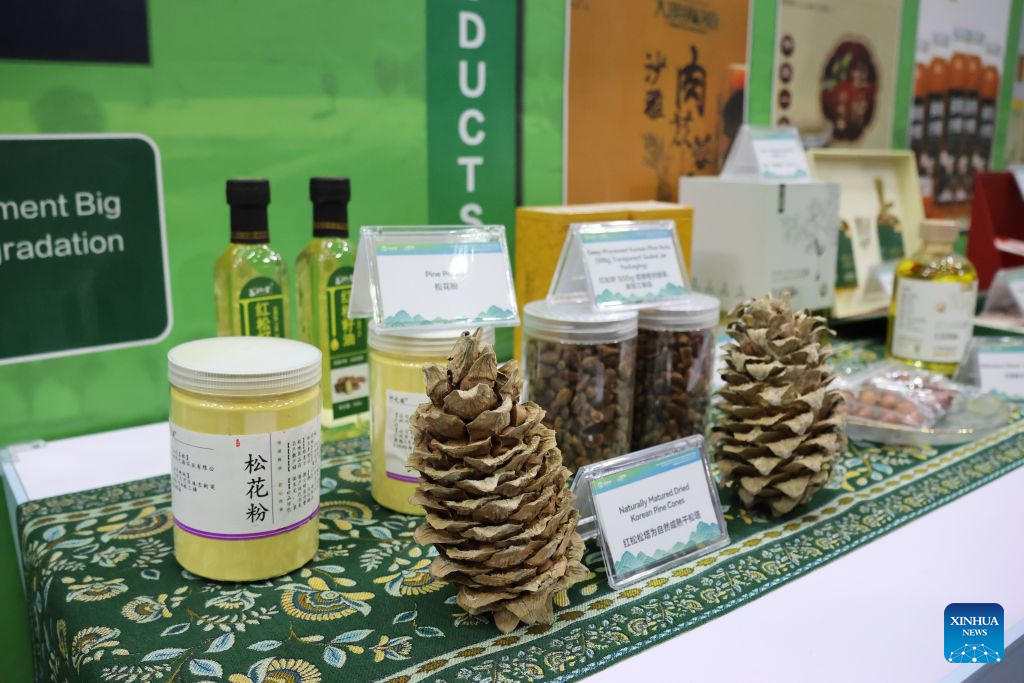
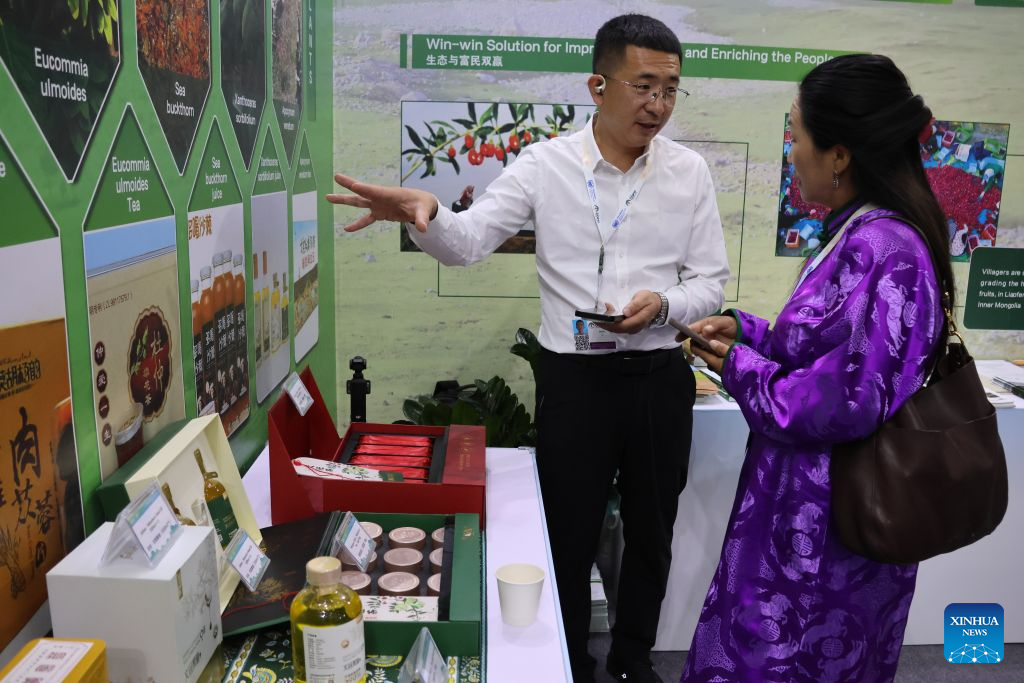
China has developed ecological industries and ecotourism initiatives tailored to local conditions, promoting the integrated development of ecological protection, industrial growth, and improvements in people's livelihoods. These efforts have helped transform desert and sandy areas into "green homes," enabling local communities to increase their incomes and achieve greater prosperity.
China has seen a continuous decline in the areas affected by desertification and land salinization, becoming the first country in the world to achieve "zero growth" in land degradation. Approximately 53 percent of manageable salinized land has been effectively treated, making China a global leader in ecological restoration.
During COP17, which runs through Aug. 28, the "China Corner" will also host a series of thematic side events to facilitate exchanges on ideas, technologies, and practices for combating desertification.
。
Current article:http://epn3h3.senchuoshaozaodidia.shop/phba/vjml4nu.html
Published on:20:00:38